Choosing the right tiller can be the difference between a weekend of back-breaking labor and an efficient, enjoyable gardening experience. With options ranging from powerful gas-powered machines to nimble electric cultivators, the key is matching the tool to your specific soil type and garden size. Whether you’re breaking new ground for the first time or maintaining established beds, understanding the different types of tillers available is the first step toward a successful season.
This guide provides a detailed look at eight distinct tillers, each designed to meet a unique set of gardening needs. From heavy-duty rear-tine models that conquer tough sod to lightweight electric tillers perfect for quick cultivation, our roundup will help you identify the perfect machine to prepare your garden for planting.
Our Top Tiller Recommendations for Your Garden
- Earthquake 37037 Pioneer Dual-Direction Rear Tine Tiller
- MZK 16-Inch 13.5-Amp Corded Electric Tiller/Cultivator
- Sun Joe Electric Corded Garden Tiller & Cultivator
- YERYORK Tiller Cultivator, 15-Amp 18-Inch Width
- Greenworks 10-Inch 8-Amp Corded Electric Tiller/Cultivator
- Mantis 7940 2-Cycle Gas Powered Tiller/Cultivator
- Honda FG110 Mini-Tiller 4-Stroke Gas Powered Cultivator
- Tazz 35370 2-in-1 Front Tine Tiller/Cultivator 79cc Gas
Earthquake 37037 Pioneer Dual-Direction Rear Tine Tiller
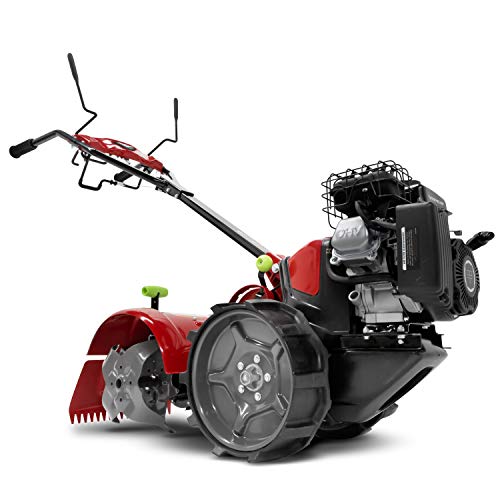
The Earthquake Pioneer is a versatile powerhouse designed for serious gardeners. Its standout feature is the dual-direction tine system, allowing you to operate in Counter Rotating Tines (CRT) mode to break new sod and tough, compacted soil. Once the hard work is done, you can easily shift to Standard Rotating Tines (SRT) mode to create a fine, smooth seedbed perfect for planting.
This model is engineered for user comfort and convenience. It uses a lighter and quieter 99cc Viper engine, reducing overall weight and operator fatigue. The frustration-free shifting system and instant reverse function make maneuvering simple, eliminating the guesswork and effort often associated with heavy-duty tillers. It’s built for performance without the typical complexity.
MZK 16-Inch 13.5-Amp Corded Electric Tiller/Cultivator

For those with established gardens who need a reliable machine for seasonal cultivation, the MZK electric tiller is an excellent choice. It boasts a powerful 13.5-amp motor that drives a 16-inch wide set of tines, making quick work of pre-tilled soil. This unit is perfect for breaking up clumps, mixing in compost, and aerating the soil to promote healthy plant growth.
The design prioritizes user-friendliness with features like adjustable wheels for depth control and a foldable frame for compact storage. With 24 robust steel tines, it provides efficient soil cultivation in a single pass. Its ergonomic and lightweight construction allows for precise maneuvering between rows and around plants with minimal effort.
Sun Joe Electric Corded Garden Tiller & Cultivator

A trusted name in electric garden tools, the Sun Joe TJ604E offers a balance of power and practicality. Its 13.5-amp motor efficiently tills a 16-inch wide path to a depth of 8 inches, providing ample power for most garden preparation and maintenance tasks. The six rust-proof, steel-angled tines are built for durability and long-lasting performance.
This tiller is an ideal solution for gardeners with limited storage space. The folding handle makes the unit compact and easy to store in a shed or garage. It’s a straightforward, effective machine for those who want the convenience of electric power without the maintenance requirements of a gas engine.
YERYORK Tiller Cultivator, 15-Amp 18-Inch Width

For larger garden plots, the YERYORK tiller brings substantial power and an impressive working width. Its high-performance 15-amp motor is designed to power through challenging and compacted soil conditions with steady, dependable performance. With an 18-inch cutting width and 9-inch depth capacity, you can prepare medium to large sized beds much faster than with smaller models.
Customization and control are key benefits of this model. The four-position wheel adjustment system makes transportation easy and allows you to fine-tune the tilling depth for different tasks. This feature, combined with its robust construction and 24 durable steel tines, makes it a capable machine for the serious home gardener.
Greenworks 10-Inch 8-Amp Corded Electric Tiller/Cultivator
The Greenworks cultivator is a compact and lightweight option perfect for small-scale gardening. Its 8-amp motor provides sufficient power for cultivating soft soil in flower beds, vegetable patches, and around shrubs. With a 10-inch working width, it is easy to control and ideal for working in tight spaces where larger tillers cannot reach.
This tool is best suited for light cultivation tasks like weeding, aerating, and mixing in soil amendments. It offers a simple, plug-and-go solution without the need for gas, oil, or strenuous pulling to start an engine. For quick touch-ups and maintaining already-broken soil, this cultivator is a convenient and easy-to-use tool.
Mantis 7940 2-Cycle Gas Powered Tiller/Cultivator
The Mantis tiller is a legendary compact powerhorse known for its versatility and deep-tilling ability. Weighing significantly less than a full-sized tiller, it is remarkably easy to maneuver and control. Its narrow profile and counter-rotating tines allow it to dig deep and effectively break up tough soil, making it much more than a simple cultivator.
This 2-cycle gas model provides cordless freedom for working anywhere in your yard. Despite its small size, it is a highly effective tool for both breaking new ground and maintaining existing gardens. Its lightweight design does not sacrifice power, offering a practical solution for gardeners who need portability and performance.
Honda FG110 Mini-Tiller 4-Stroke Gas Powered Cultivator
Backed by Honda’s reputation for reliability, the FG110 is a compact 4-stroke cultivator built for long-term performance. The 4-stroke engine eliminates the need for mixing oil and gas, providing a more user-friendly experience with less smoke and easier maintenance. It’s a durable machine designed for years of dependable service.
This mini-tiller is ideal for precise work in smaller gardens, raised beds, and tight corners. It offers the power to handle tougher soil than most electric cultivators while remaining lightweight and easy to handle. For gardeners who value engine longevity and prefer the convenience of a 4-stroke engine, the Honda FG110 is a premium choice.
Tazz 35370 2-in-1 Front Tine Tiller/Cultivator 79cc Gas Powered
The Tazz 35370 is a versatile and affordable front-tine tiller that functions as both a cultivator and a border edger. Its 79cc gas engine delivers solid power for a range of garden tasks, from preparing new beds to maintaining existing ones. The 2-in-1 functionality adds value, allowing you to edge your lawn with the same machine.
As a front-tine tiller, it is generally more affordable than rear-tine models while still providing substantial power for the average home garden. It’s a good option for those who need a capable, multi-purpose gas-powered tool without investing in a heavy-duty rear-tine system. Its design offers a balance of power, functionality, and budget-consciousness.
How to Choose the Right Tiller for Your Garden
So, you’ve decided you need a tiller. That’s great, but walking into a garden center can be overwhelming with all the options. I’ve been there. The key isn’t to find the “best” tiller overall, but the best one for your specific situation. Your soil type, garden size, and your own physical strength are the main things to consider. Let’s break it down so you can make a confident choice.
First, think about your garden’s size. For small raised beds or tight spaces between existing plants, a mini tiller or cultivator is your best friend. They’re lightweight, easy to maneuver, and perfect for light weeding and aerating. If you have a standard backyard vegetable garden, say up to 1,000 square feet, a solid mid-size front-tine tiller will probably do the trick. It has the power to break new ground but is still manageable to store and transport. For big jobs—tilling a large new plot, dealing with very tough soil, or managing a small farm—a rear-tine tiller is the machine you need. Its power and counter-rotating tines make light work of heavy clay and compacted earth.
Next, consider your soil. Is it soft and loamy, or is it a back-breaking clay? For established, relatively soft soil, a front-tine tiller can work well. But if you’re starting from scratch with sod or packed, rocky ground, you’ll want the brute force of a rear-tine model. The rear-tine design is also far less jarring on your body because the wheels pull the machine forward while the tines churn the earth. Don’t forget about physical comfort. If you have a smaller frame or joint issues, a heavy rear-tine tiller might be too much, even for a large garden. In that case, an electric model or a smaller gas-powered one could be a better fit, even if the job takes a bit longer.
Finally, weigh the pros and cons of power sources. Electric tillers (both corded and cordless) are quiet, low-maintenance, and start with the push of a button. They’re fantastic for smaller, established gardens. The trade-off is power and runtime. Gas tillers offer total freedom and more than enough power for any task, but they require more maintenance (oil, spark plugs, stale fuel) and can be noisy and heavy. Your choice here really depends on your tolerance for maintenance versus your need for raw power. Thinking through these points—garden size, soil type, and power—will lead you directly to the perfect machine from the various types of tillers available. This complete guide to the 8 different types of tillers should set you on the right path.
Frequently Asked Questions
What is the difference between a tiller and a cultivator?
This is a super common point of confusion. People often use the words interchangeably, but they have different jobs. A tiller is designed for heavy-duty work. Think of it as the brute that breaks new ground. It’s what you use to turn over soil for a brand-new garden bed, mix in large amounts of compost, or chop through tough sod and clay. A cultivator, on the other hand, is for lighter, ongoing maintenance. It’s perfect for weeding between rows of established plants, aerating the soil surface, and mixing in fertilizers without disturbing plant roots too much. Many machines can do both, but their primary strengths are different.
Can I use a tiller to remove weeds?
Yes, but with a major caveat. A tiller is excellent for clearing a weedy area before you plant. It will chop up annual weeds and their roots, effectively eliminating them. However, if you have perennial weeds with deep, spreading root systems like Bermuda grass or dandelions, tilling can actually make the problem worse. The tines chop the roots into small pieces, and each piece can potentially grow into a new plant. For weeding in an existing garden, a cultivator or a hand tool is a much better choice to avoid damaging your plants and spreading invasive weeds.
How deep should I till my soil?
The ideal tilling depth depends on what you’re planting. For most vegetables, a depth of 6 to 8 inches is perfect. This is deep enough to loosen the root zone and incorporate organic matter. For breaking new ground, you might need to make a few passes, starting at a shallow depth and gradually working deeper as the soil breaks up. It’s important not to over-till, though. Going too deep, especially with a powerful machine, can destroy the soil structure, bring dormant weed seeds to the surface, and harm earthworms and other beneficial soil life. Sometimes, less is more.
Are electric tillers as powerful as gas models?
Generally, no. The most powerful tillers on the market are gas-powered. They are built for the toughest jobs and offer unlimited runtime as long as you have fuel. However, electric tiller technology has come a long way. For the average home gardener with a small to medium-sized plot and reasonably soft soil, a modern corded or cordless electric tiller has more than enough power. They are lighter, quieter, and require virtually no maintenance. So, while a top-end gas tiller will always win in a raw power contest, an electric model is often perfectly adequate and much more user-friendly for typical garden tasks.
What safety gear should I wear when using a tiller?
Operating a tiller is serious business, and safety should always come first. I never use mine without a set of basic protective gear. Sturdy, closed-toe shoes (preferably steel-toed boots) and long pants are non-negotiable to protect your feet and legs from flying rocks and debris. Safety glasses or goggles are essential to keep dirt and dust out of your eyes. Given how loud gas tillers can be, hearing protection like earmuffs or earplugs is a very good idea for extended use. And finally, don’t forget to wear work gloves to improve your grip and protect your hands from vibrations and blisters.